
Bulk Party Favors Without the Chaos: A Planning Framework
Plan 50–500 party favors with a simple framework for theme, safety, sourcing, and delivery—plus tactics to reduce risk when buying in bulk.
1) Start With Requirements: Theme, Audience, and Safety (Before You Shop)
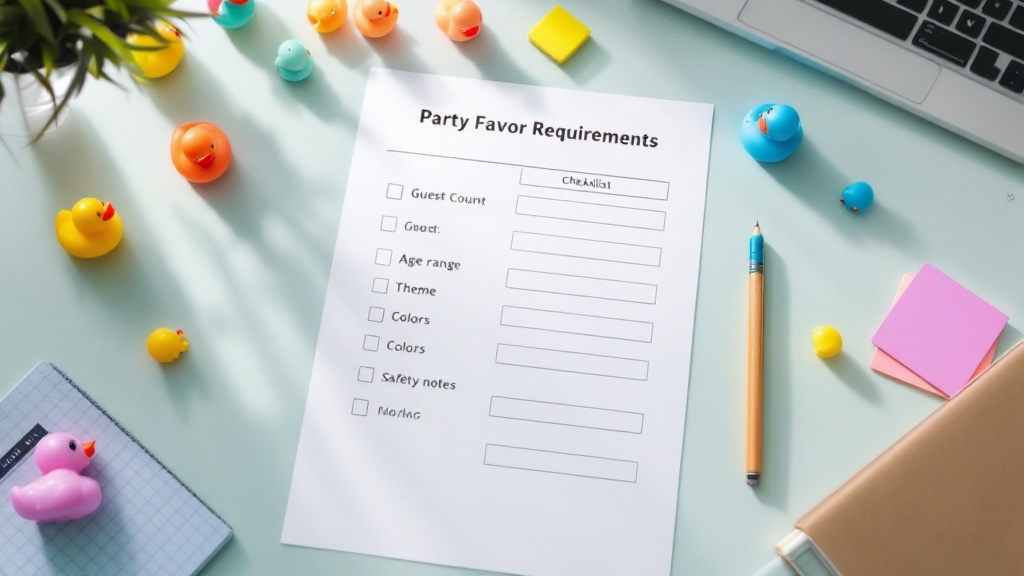
Bulk party favors get chaotic when “cute and cheap” is the only requirement. For solid party-planning, write a one-page brief: guest count (plus 10–15% buffer), age range, theme keywords, color palette, and any constraints (no glitter, no latex, no tiny parts). For kids-birthdays, add safety and durability checks—materials, choking hazard guidance, and whether the item is intended for bath play or general play.
Next, translate your brief into sourcing criteria you can evaluate quickly. Define what “consistent” means: identical item, same model with color variation, or a curated mix within a theme. Decide your “must-haves” (e.g., construction + yellow) and “nice-to-haves” (gift tags, assorted styles). This early step reduces rework later and turns sourcing into a checklist instead of a scavenger hunt—especially important for bulk-orders where one wrong assumption multiplies across 50–500 units.
2) Build a Low-Risk Sourcing Plan: One Catalog vs. Many Sellers
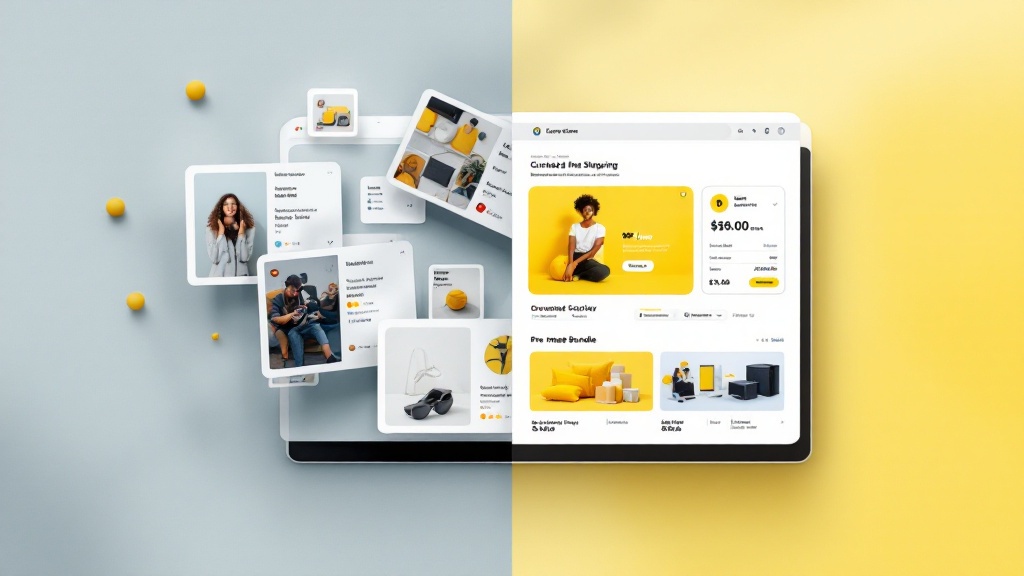
Once requirements are clear, choose a risk-management approach to sourcing. Ordering from multiple marketplaces can look flexible, but it increases failure points: mismatched photos vs. reality, inconsistent packaging, split shipments, backorders, and several return policies. If you go multi-seller, mitigate risk by standardizing your evaluation: verify quantities per listing, check recent reviews with photos, confirm ship-from locations, and message sellers about timeline and substitutions. Place a small test order when possible, then scale.
A curated catalog reduces variance because photos, descriptions, and theme taxonomy are consistent—helpful for party-planning and bulk-orders. Look for features that prevent “shopping cart math”: pre-made bundles, quantity tiers, and options like gift notes or tags. A shop built for themed gifting (like DuckBundle Co.) can also simplify procurement with one invoice, unified tracking, and fewer packaging surprises—exactly what event planners need when kids-birthdays and deadlines leave little room for improvisation.
3) Lock the Timeline: Contingencies, Quality Checks, and Delivery Confidence
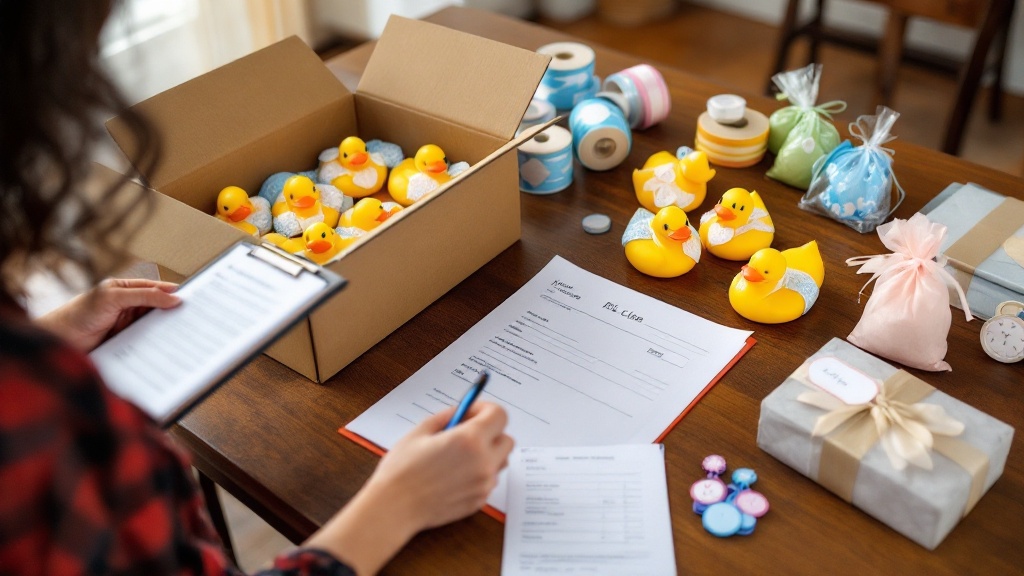
For 50–500 favors, the timeline is part of the product. Work backward from the event date and set three checkpoints: order-by date, arrival window, and assembly deadline (bagging, tagging, table setup). Add a contingency buffer—at least 7–10 days for standard shipping, more during peak seasons. This is core risk-management: you’re not planning for perfection, you’re planning for variance.
When the shipment arrives, do a quick quality audit before you start stuffing bags: count units, check 10–20% for defects, confirm theme consistency, and separate “extras” for replacements. If you’re ordering bulk-orders from multiple sellers, document issues immediately with photos so returns don’t become a second project. If you’re using a curated source with bundles and fulfillment workflows, lean on automated tracking updates and consolidated support to resolve exceptions faster. The goal of good party-planning isn’t just cute favors for kids-birthdays—it’s predictable delivery, consistent quality, and zero last-minute store runs.